Your digging level
Description
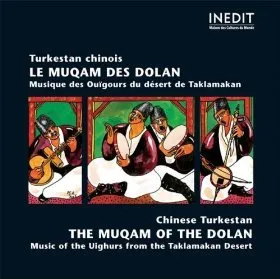
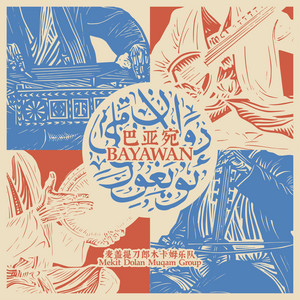
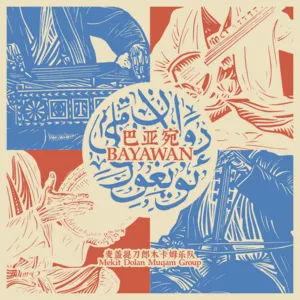
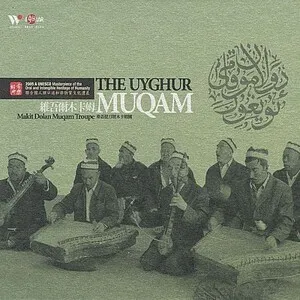
Bayawan is a distinctive muqam suite associated with the Dolan subgroup of the Uyghur people in the Tarim Basin (Xinjiang, China).
It is widely described as the “wildest” of the regional muqam variants: faster, more percussive, and dance‑forward than the canonical Twelve Muqam cycles performed elsewhere in Uyghur regions.
Musically, Bayawan draws on the broader maqam modal universe but frames it with Dolan aesthetics: rawap, satar, dutar, tambur and ghijek strings in heterophonic textures; piercing sunay/sorna (shawm) lines; and emphatic dap (frame drum) and naghra drum patterns that propel communal dance. Vocal delivery alternates between declamatory, epic storytelling and high‑energy, refrain‑driven dance songs.
History
Bayawan emerges from the Dolan communities of the southwestern Tarim Basin, where the broader Uyghur muqam tradition took on highly localized color. While Uyghur muqam repertoire traces to at least the 16th century, Dolan variants—Bayawan among them—likely crystallized between the 18th and 19th centuries through oral transmission at meshrep (community gatherings) and festive rites.
The Dolan sound privileges robust percussion, shawm-and-drum bands, and driving dance rhythms. This differentiated it from courtly or urban Twelve Muqam practices in Kashgar and Yarkand, even as it remained rooted in the same modal (maqam) thought-world.
Bayawan pieces typically unfold as a suite: a free or rubato instrumental/vocal prelude; narrative or semi-improvised vocal episodes; and an extended dance section (often labeled sänäm in Uyghur practice). The suite’s modal path uses maqam-derived scalar segments and intonational nuance familiar across Central Asia and Persianate traditions, but the Dolan approach favors punchy rhythmic cells, antiphonal shouts, and vigorous heterophony.
Over the 20th century, state troupes and local heritage ensembles began staging Dolan muqam on concert platforms. Field recordings, conservatory notations, and UNESCO-related safeguarding of Uyghur Muqam more broadly helped bring attention to Dolan styles such as Bayawan, even as these practices remained most alive in community celebrations.
Today, Bayawan is performed by folk masters and heritage ensembles in Makit, Kashgar, and neighboring counties. Projects to document instruments (rawap, satar, ghijek), percussion patterns, and dance choreography continue alongside contemporary fusions. Despite modernization, Bayawan’s identity—earthy timbres, relentless groove, and ecstatic communal dance—remains a hallmark of Dolan musical life.
%2C%20Cover%20art.webp)