Your digging level
Description
Tejano (also called Tex‑Mex music) is a Mexican‑American popular style that blends the conjunto and norteño ensemble tradition with European dance rhythms (polka, schottische, waltz) and U.S. popular genres such as country, blues, funk, and rock.
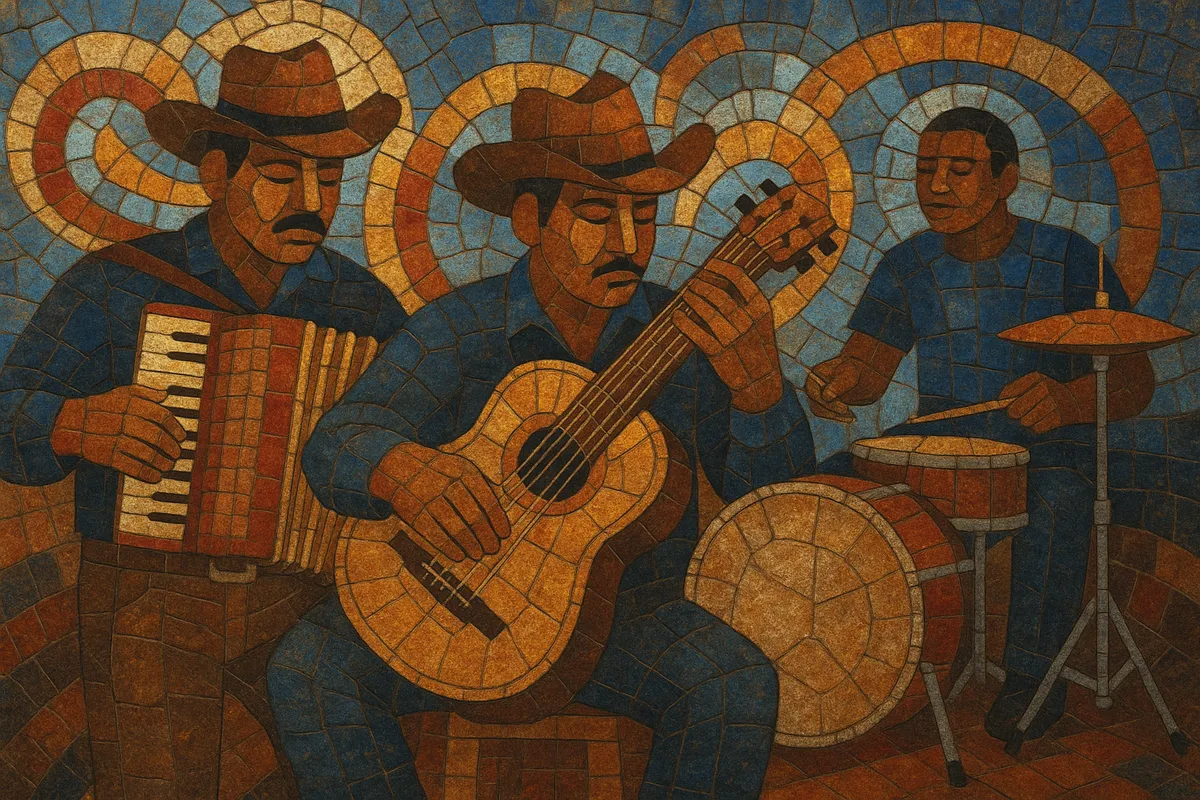
At its core are the accordion and bajo sexto, supported by electric bass and drum kit. Two main ensemble lineages coexist: the conjunto/accordion format and the orquesta Tejana format with saxophones and trumpets. Since the late 1970s, keyboards and synthesizers have been central to the "modern" Tejano sound, while cumbia, ballad, and two‑step grooves broaden its dance palette.
Lyrics are typically in Spanish (often bilingual), centering on love, border life, working‑class pride, and festive social dance. The result is a dance‑forward, catchy, and distinctly borderlands music that feels at once Mexican in roots and American in production and stylistic openness.
History
European immigrants (German, Czech, Polish) brought the button accordion and polka/schottische/waltz dance rhythms to South Texas and northern Mexico in the late 1800s. Local Mexican communities adapted these sounds into conjunto and norteño, centering the diatonic accordion with the bajo sexto.
By the 1940s, bandleaders such as Beto Villa fused conjunto rhythms with big‑band instrumentation (saxes, trumpets, piano), creating the orquesta Tejana style that danced through polkas, boleros, and rancheras. This period cemented a distinct Mexican‑American popular dance music later grouped under the umbrella of "Tejano."
Artists like Little Joe y La Familia, La Mafia, and Mazz modernized Tejano with drum kit backbeats, electric bass, funk and R&B harmonies, and—crucially—keyboards/synths. Cumbia rhythms became a radio staple, and bilingual songwriting widened appeal across Texas and the U.S. Southwest.
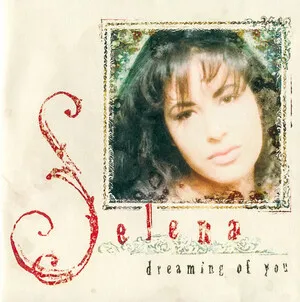
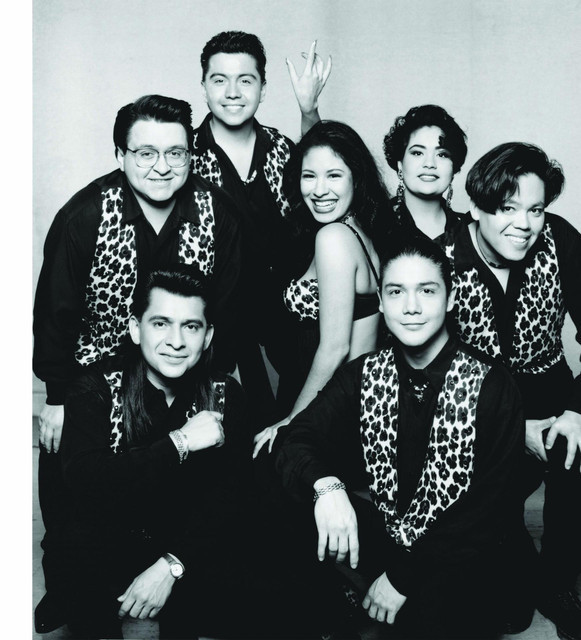
The late ’80s and early ’90s marked a commercial peak. Selena, Emilio Navaira, La Mafia, David Lee Garza y Los Musicales, and Jay Perez brought Tejano to national and international audiences, with polished productions, pop hooks, and choreography. This era influenced Latin pop and helped normalize accordion‑driven arrangements in broader U.S. pop and country crossovers.
After industry shocks (including Selena’s death) and radio consolidation, Tejano contracted but remained vibrant through touring circuits, festivals, and regional radio. Contemporary artists mix classic accordion/bajo sexto with cumbia‑pop, rock guitars, and modern production, while borderlands acts exchange ideas with regional mexicano, norteño, and country scenes, keeping Tejano a living, dance‑floor‑ready tradition.